Agriculture, Bioeconomy, Environment
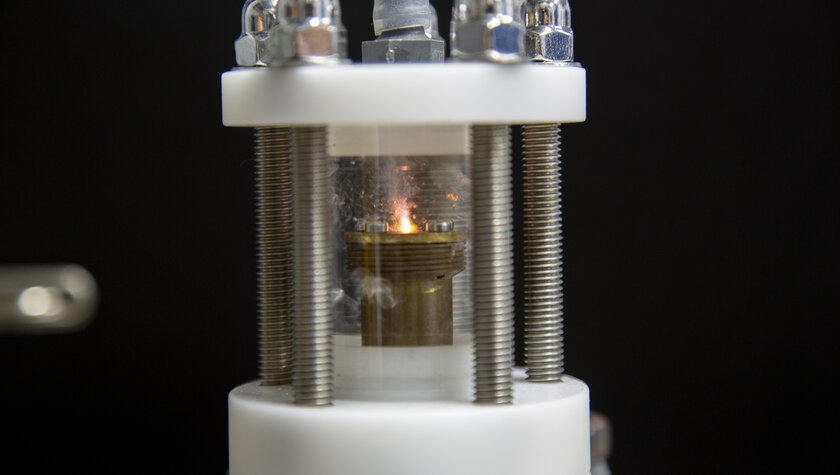
The focus of the research programme Agriculture, Bioeconomy, Environment is on the development of technologies and processes for applications in agriculture and food processing, the processing of plant raw materials and residues, and the prevention of the introduction of pollutants and germs into the environment, especially via wastewater. In particular, non-thermal plasmas are used and investigated, whose various mechanisms of action are specifically exploited.
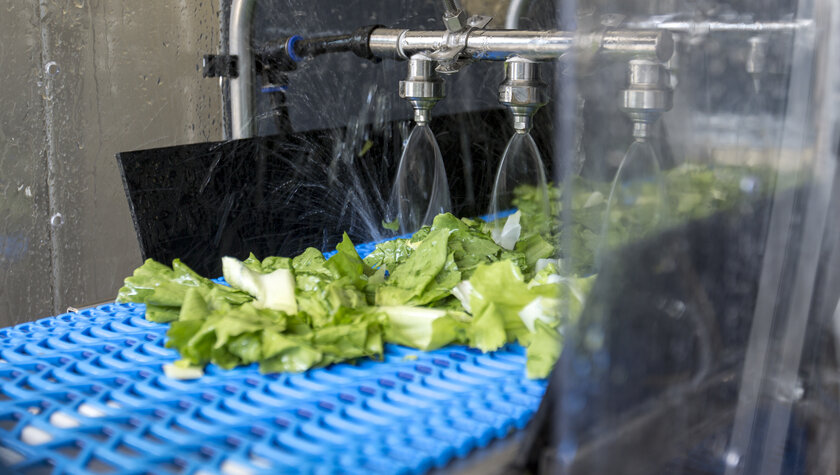
In the field of agriculture, this can be used to replace agricultural chemicals, e.g. pesticides, in the long term. It has also been shown that growth and metabolic processes can be stimulated. The latter are of growing interest, especially with regard to adapting rearing conditions to climatic challenges. In food processing, hygiene standards can also be increased, thus improving consumer safety but also the storage stability of products.
Plasma processes also offer opportunities for new biomass processing techniques. These include digestion processes by which even temperature-sensitive valuable ingredients can be extracted from microalgae. In biogas plants, too, plant substrates that have been difficult to digest up to now, as well as residual materials such as those contained in liquid manure, can be better digested, thus increasing biogas yields.
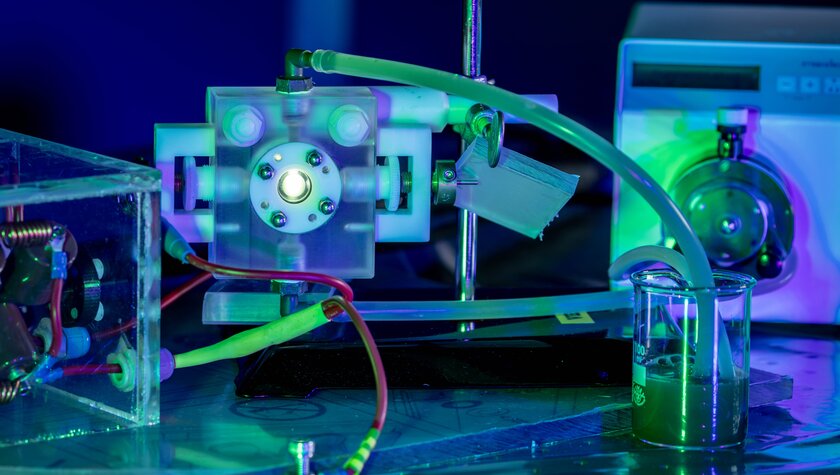
In the degradation of pollutants and contaminants, plasma processes are characterized by the degradation of even very stable chemical compounds and effective sterilization. These include pharmaceutical residues, agricultural chemicals and also multi-resistant microorganisms. An explicit goal of the application is thus the treatment of wastewater and a treatment of process waters for their recirculation. However, germs and undesirable substances in room and exhaust air, e.g. in animal husbandry or food storage, can also be successfully eliminated.
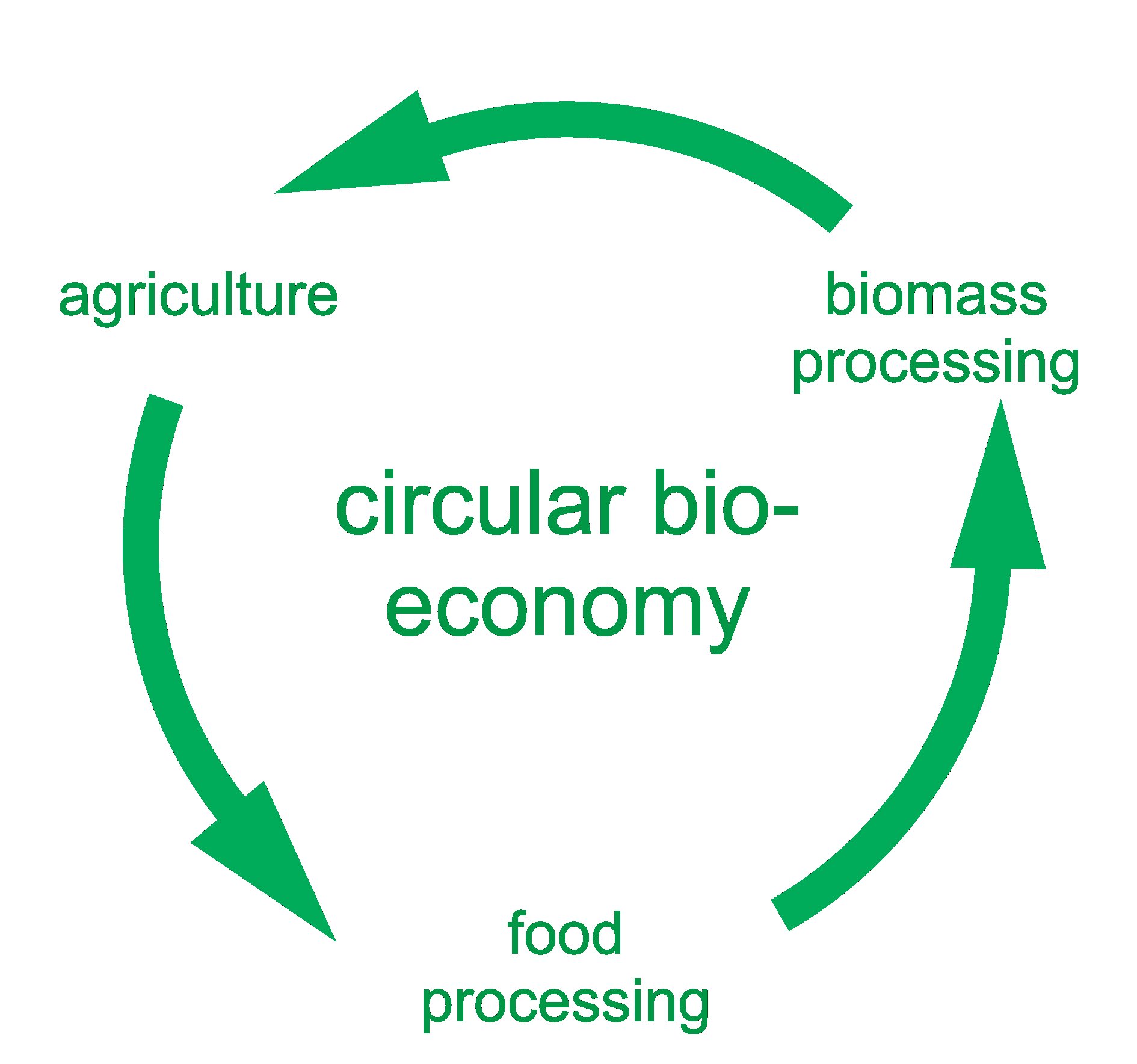
The guiding themes of agriculture, bioeconomy and environment deliberately address in detail challenges as described in the United Nations' Sustainable Development Goals. Together, they show how a recycling economy that is as loss-free and environmentally friendly as possible can be established on the basis of plasma processes. In addition to the activities described above, other related fields of application are increasingly of interest, such as animal welfare in livestock farming or aquaculture, the prevention and processing of food waste, the efficient use of waste as an organic fertilizer, and the conservation and rehabilitation of soils and farmland. In addition, the processes developed, especially for the degradation of pollutants and germs, are not limited to the areas described, and are also used for other applications, e.g. the treatment of hospital wastewater or the disinfection of surfaces and articles.
Contact
Prof. Dr. Jürgen Kolb
Programme Manager
Agriculture, Bioeconomy, Environment
Phone: +49 3834 - 554 3950