What is plasma?
The "fourth state of matter" explained simply
Plasma is a fascinating phenomenon that is often referred to as the fourth state of matter – alongside solid, liquid and gas. But what exactly is plasma?
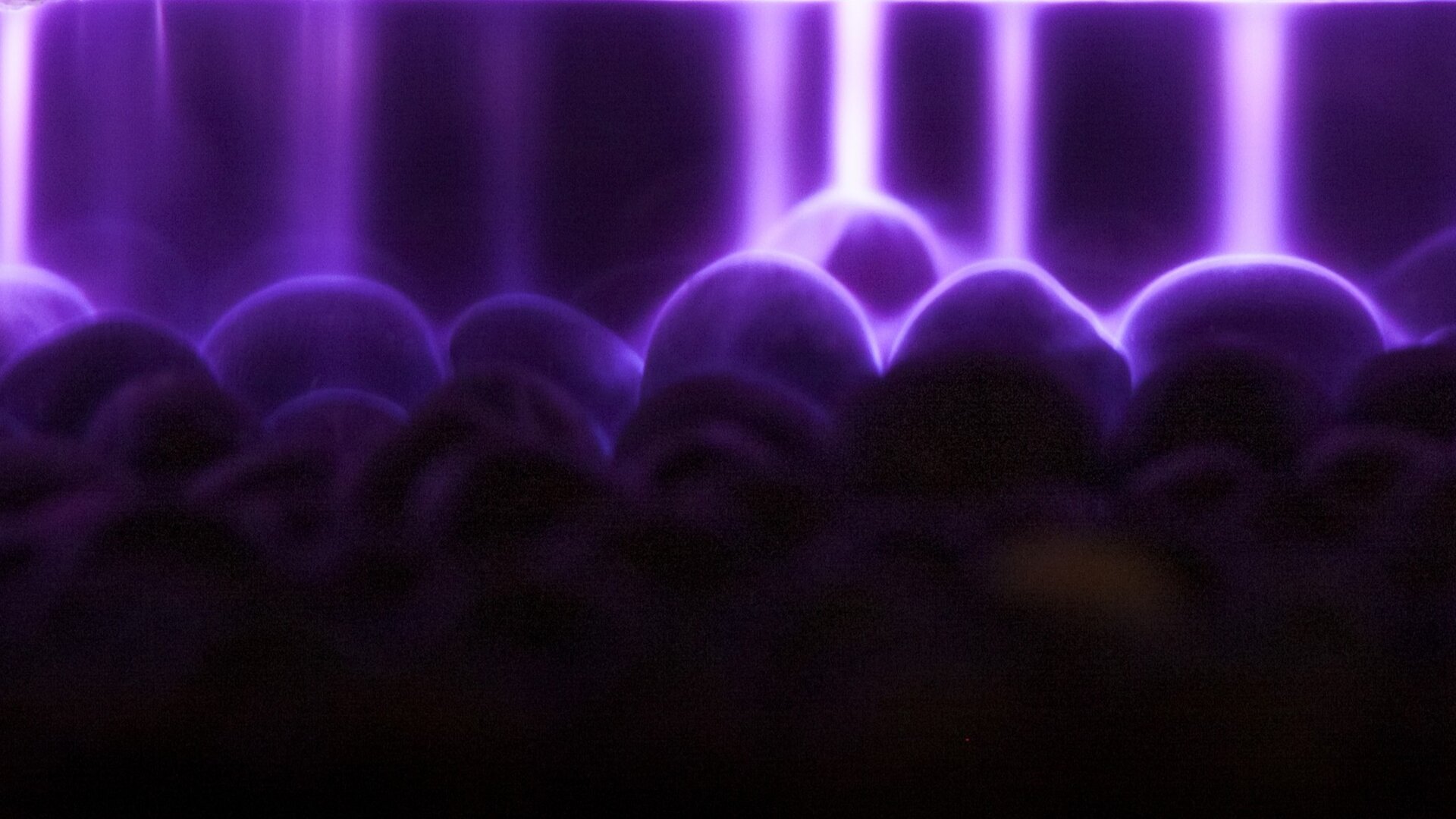
It is formed when a large amount of energy is supplied to a gas. In the process, electrons are released from atoms or molecules. This creates an electrically conductive mixture of free electrons, positively charged ions and neutral particles. However, not every gas containing free electrons and ions is a plasma. In a plasma, the positive and negative charges are almost balanced overall. The charged particles influence one another over long distances and thus move together. The physicist and Nobel Prize winner Irving Langmuir introduced the term ‘plasma’ in 1928. The word comes from Greek and means ‘that which is moulded’.
Because it consists of charged particles, plasma reacts strongly to electric and magnetic fields. It often glows because excited particles emit light, which is also used in many types of lamps.
Important note: The physical plasma referred to here should not be confused with blood plasma in medicine or cell plasma in biology.
A general distinction is made between two types of plasma:
- Hot plasmas: Here, the temperature of all particle types is so high that the entire plasma is extremely hot and almost all gas particles are ionised. Examples include the interior of the sun or welding arcs and nuclear fusion reactors.
- Cold plasmas (low-temperature plasmas): In these plasmas, only the electrons are very energetic (hot), while the gas itself remains comparatively cool. Cold plasmas are found in many technical applications, e.g. surface technology or medicine.
Plasma in nature: Everywhere in the universe
Plasma is not an exotic laboratory phenomenon. It is the most common state of visible matter in our universe! Over 99 percent of visible matter exists in a plasma state.
Stars and the sun
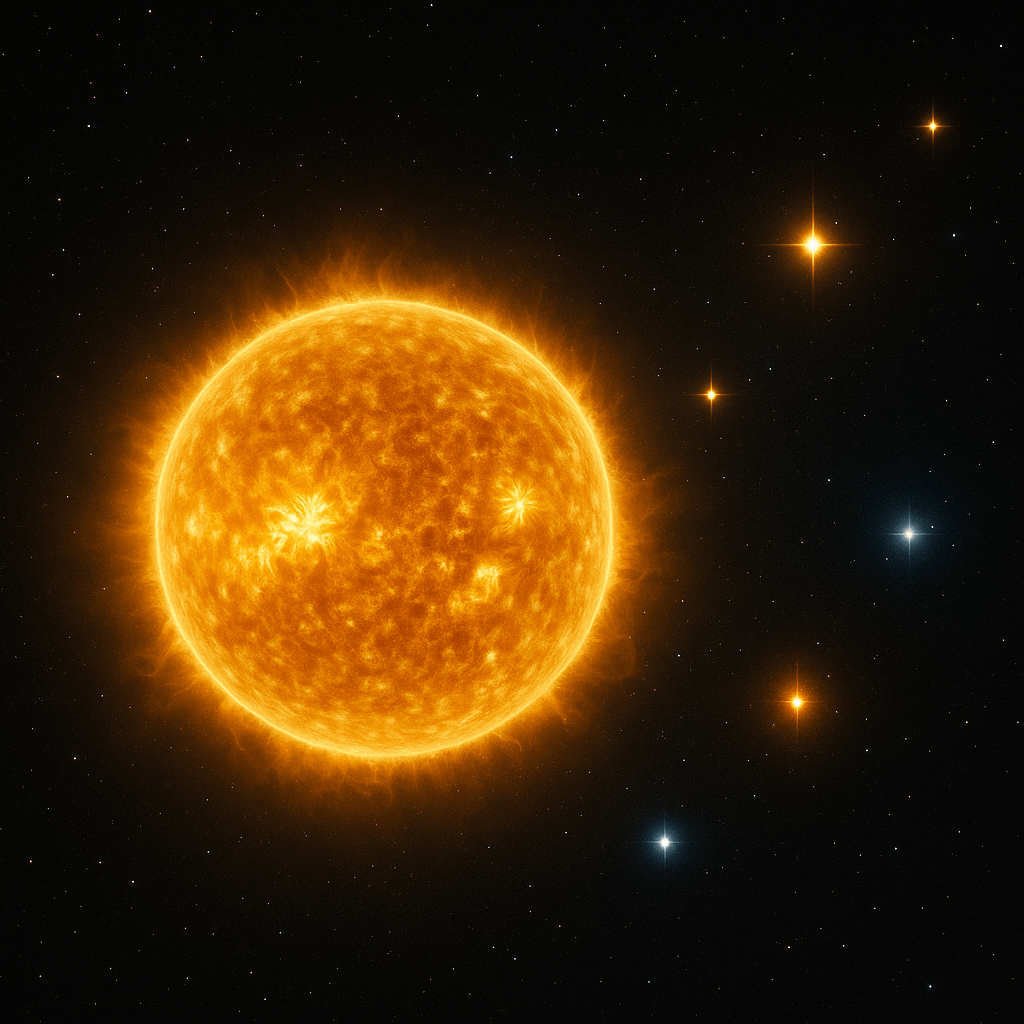
Our sun and all other stars consist of plasma.
Lightning
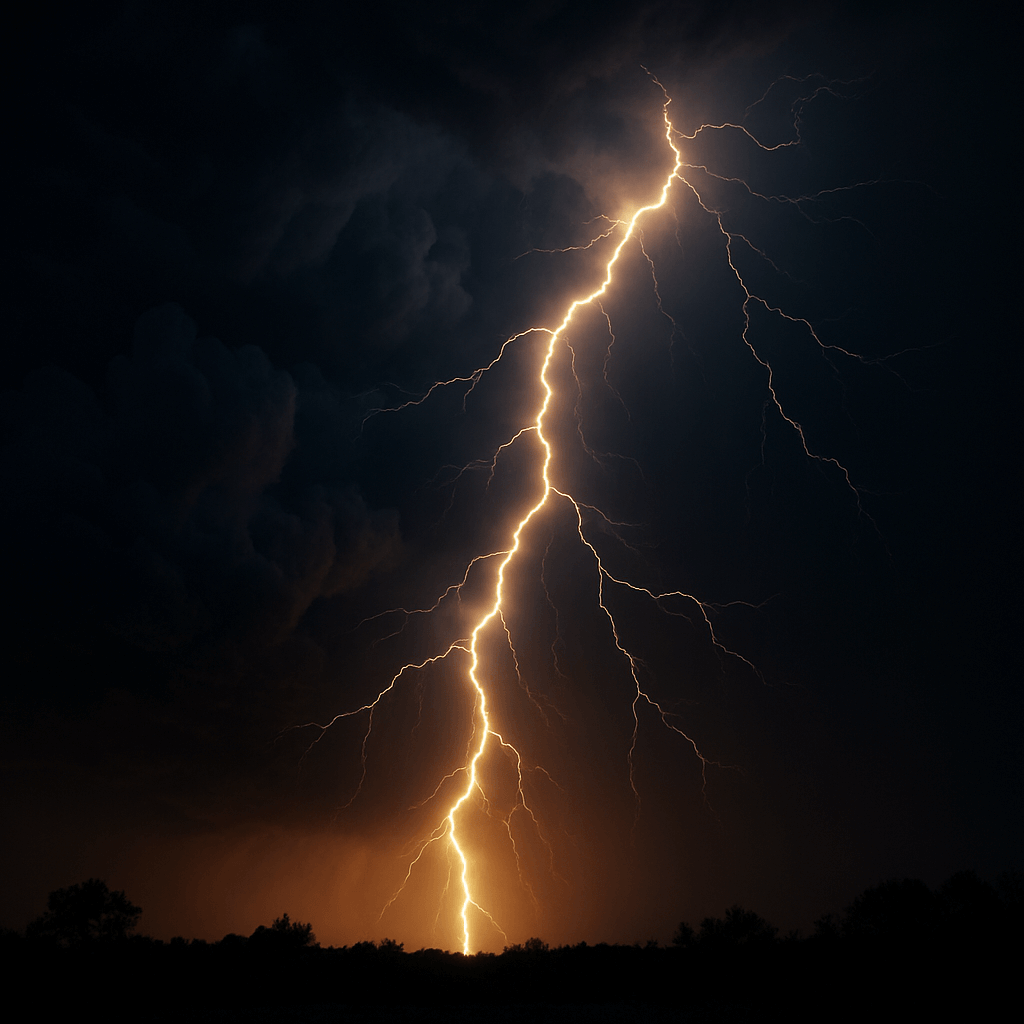
Lightning is an impressive example of plasma. The enormous electrical discharge ionises the air, which then glows and emits the typical light.

Aurora borealis
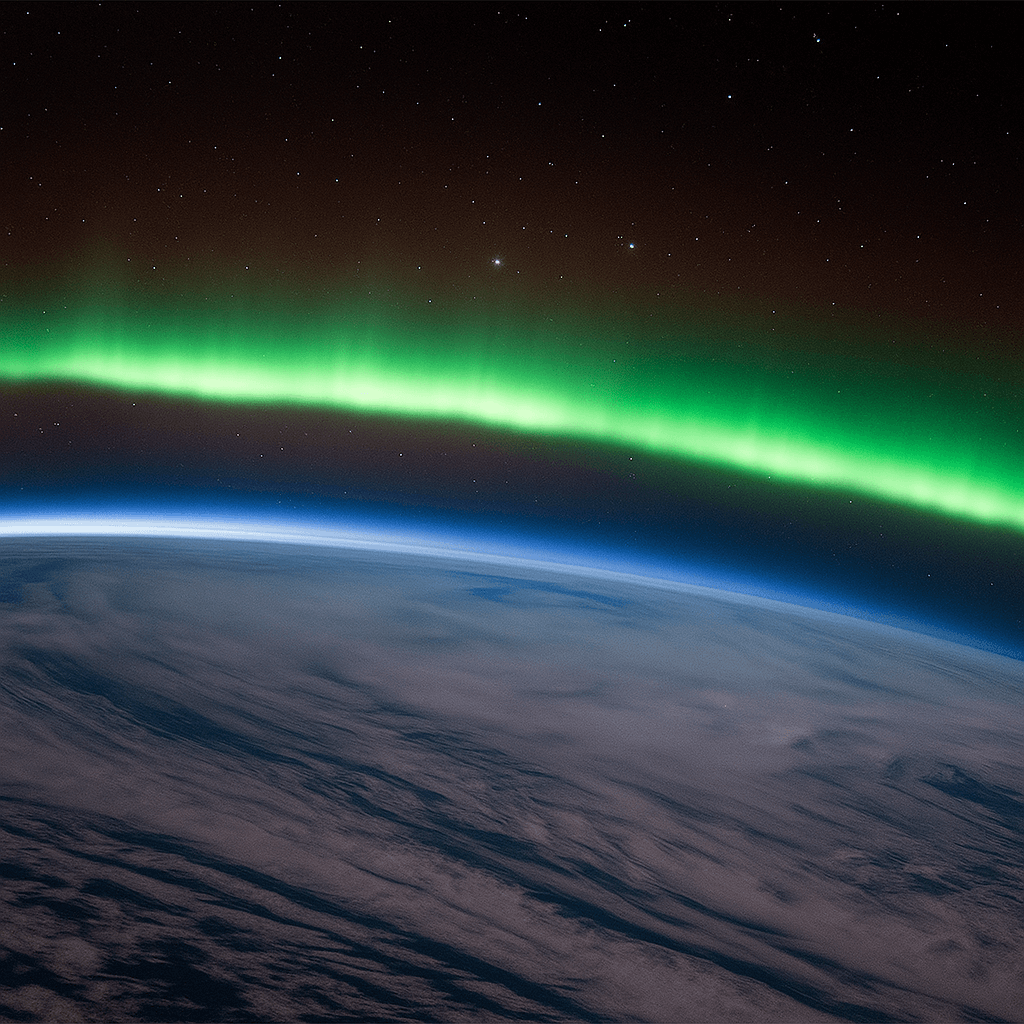
The colourful aurora borealis occurs when charged particles from the solar wind enter the Earth's atmosphere and excite the gas molecules to glow, creating plasma.
Ionosphere
A layer in the upper atmosphere that is ionised by solar radiation.
Plasma in everyday life and technology:
invisible helpers
Less obvious, but ubiquitous, are the technical applications of plasma. Many products we use every day would not exist without plasma technology.
Lighting
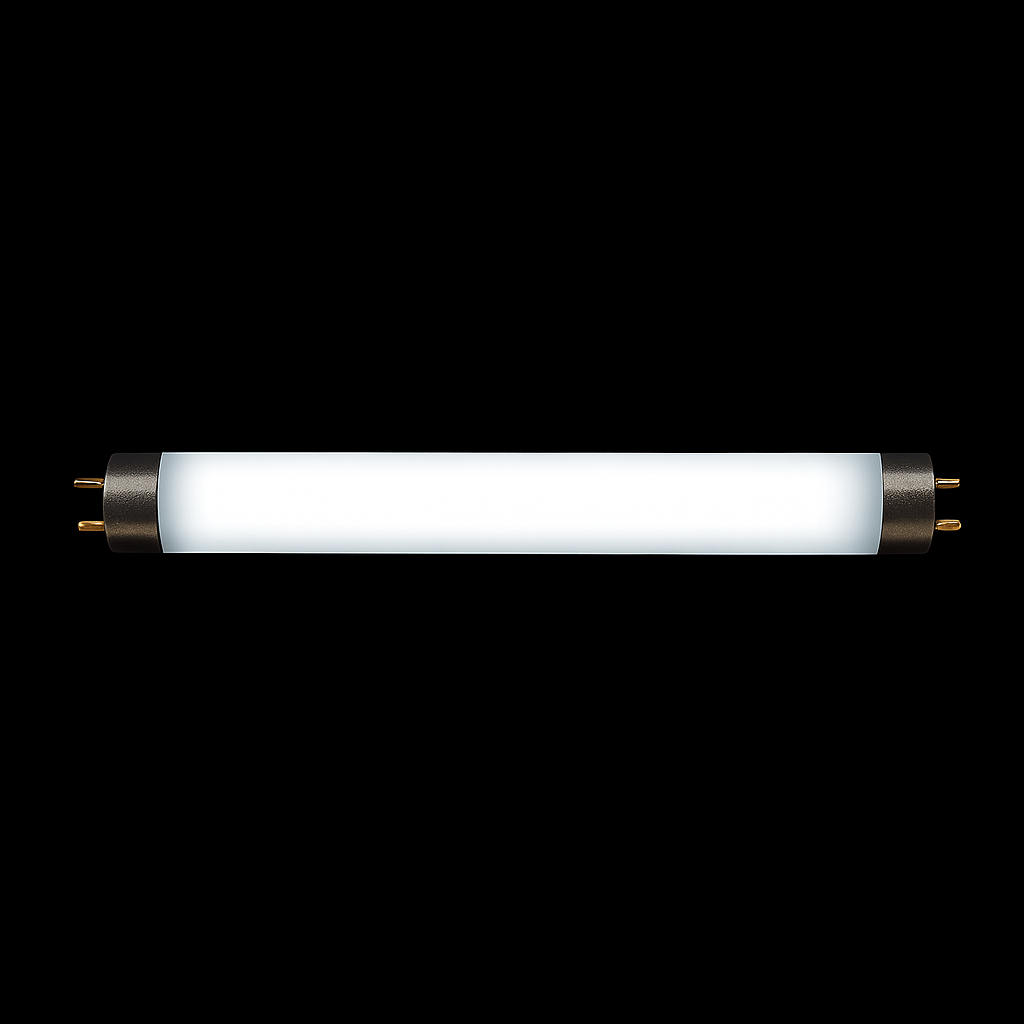
Fluorescent lamps generate light through gas discharge plasmas.
Electronics
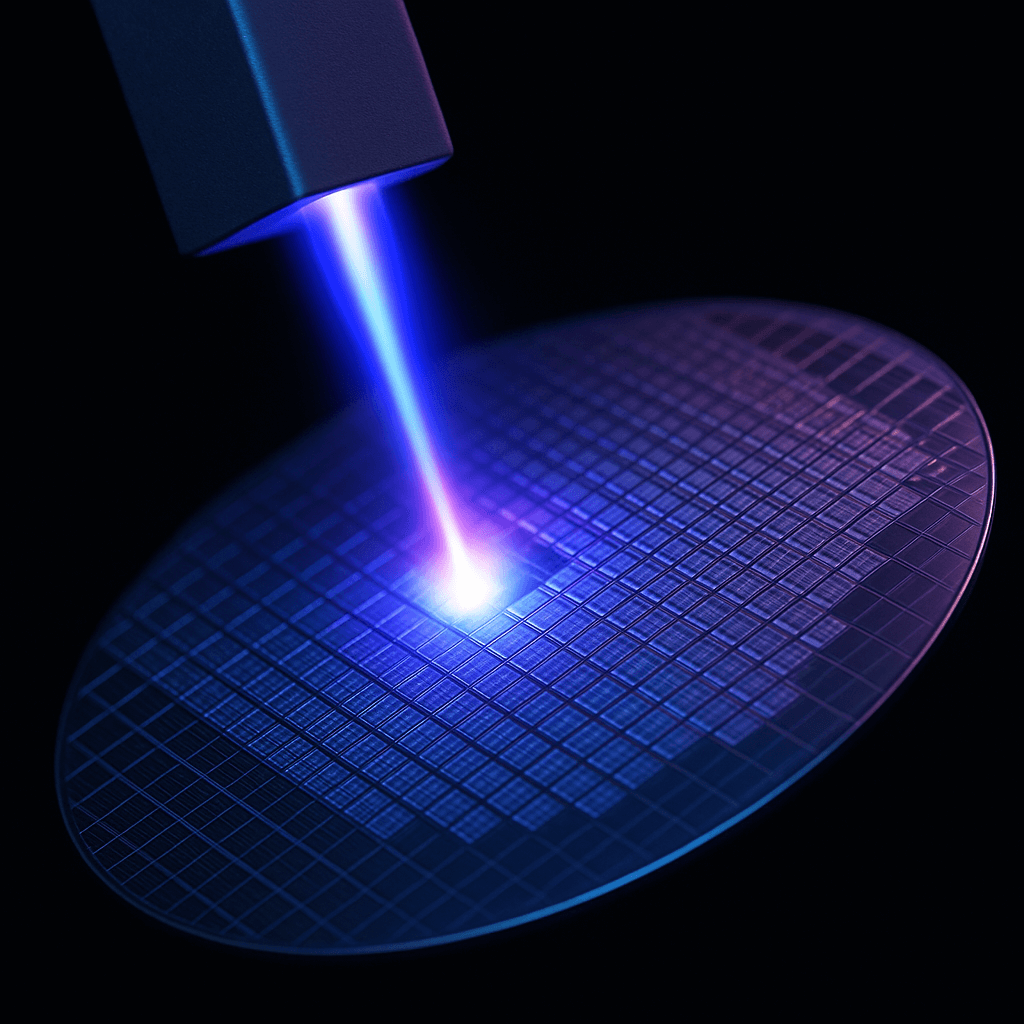
The manufacture of microchips and flat screens would be unthinkable without plasma processes. Plasma is used to etch and coat tiny structures.
Surface finishing
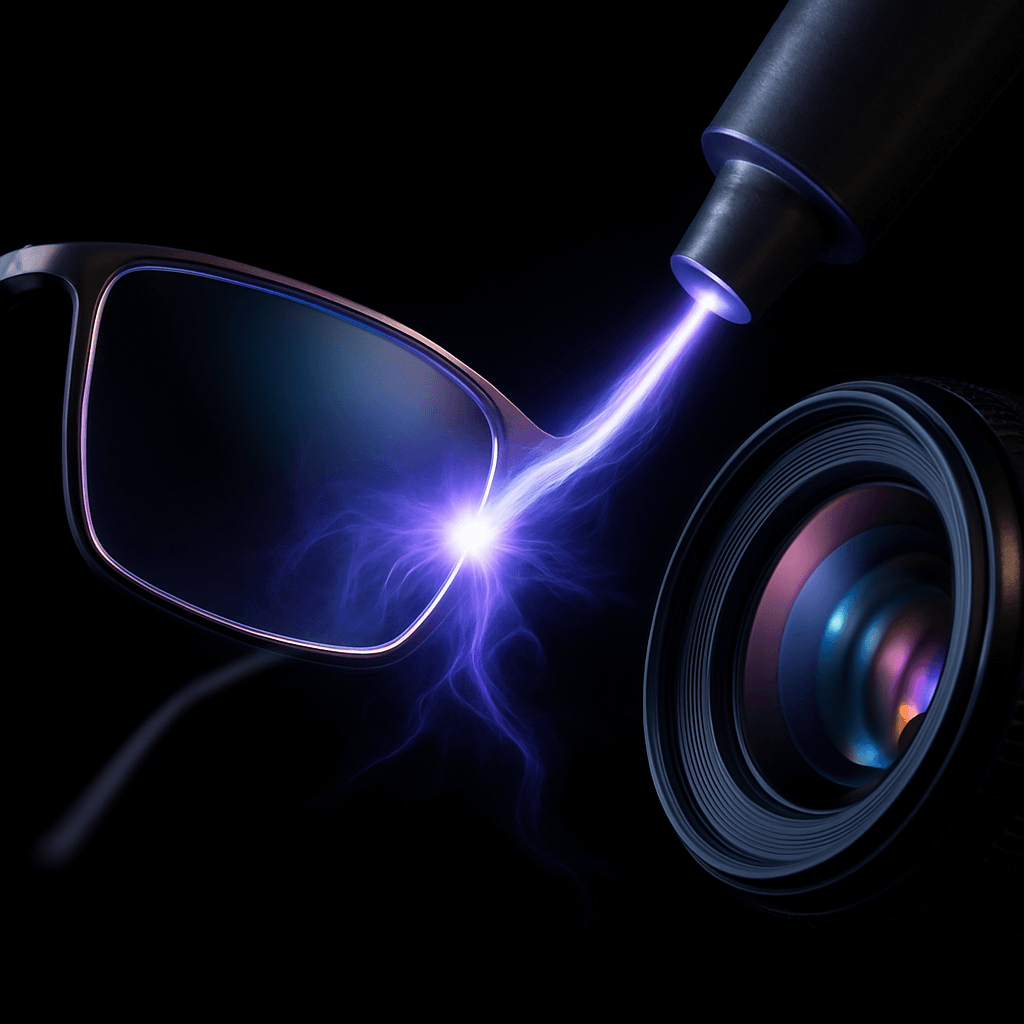
Scratch-resistant spectacle lenses, anti-reflective camera lenses and thin protective coatings are applied using plasma processes such as plasma sputtering.
Metal processing
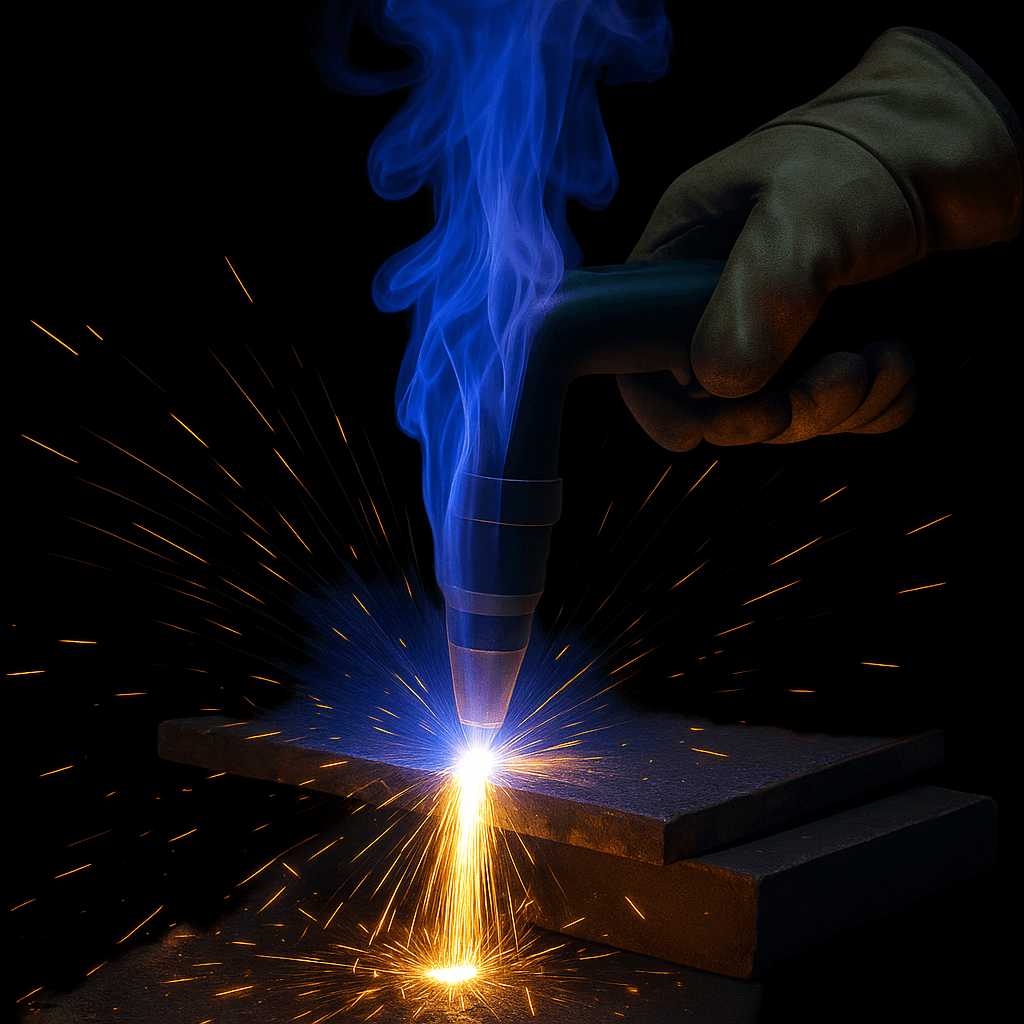
In welding and cutting, an electric arc, which is also a form of plasma, is used to generate heat for melting or cutting metal.
Everyday objects
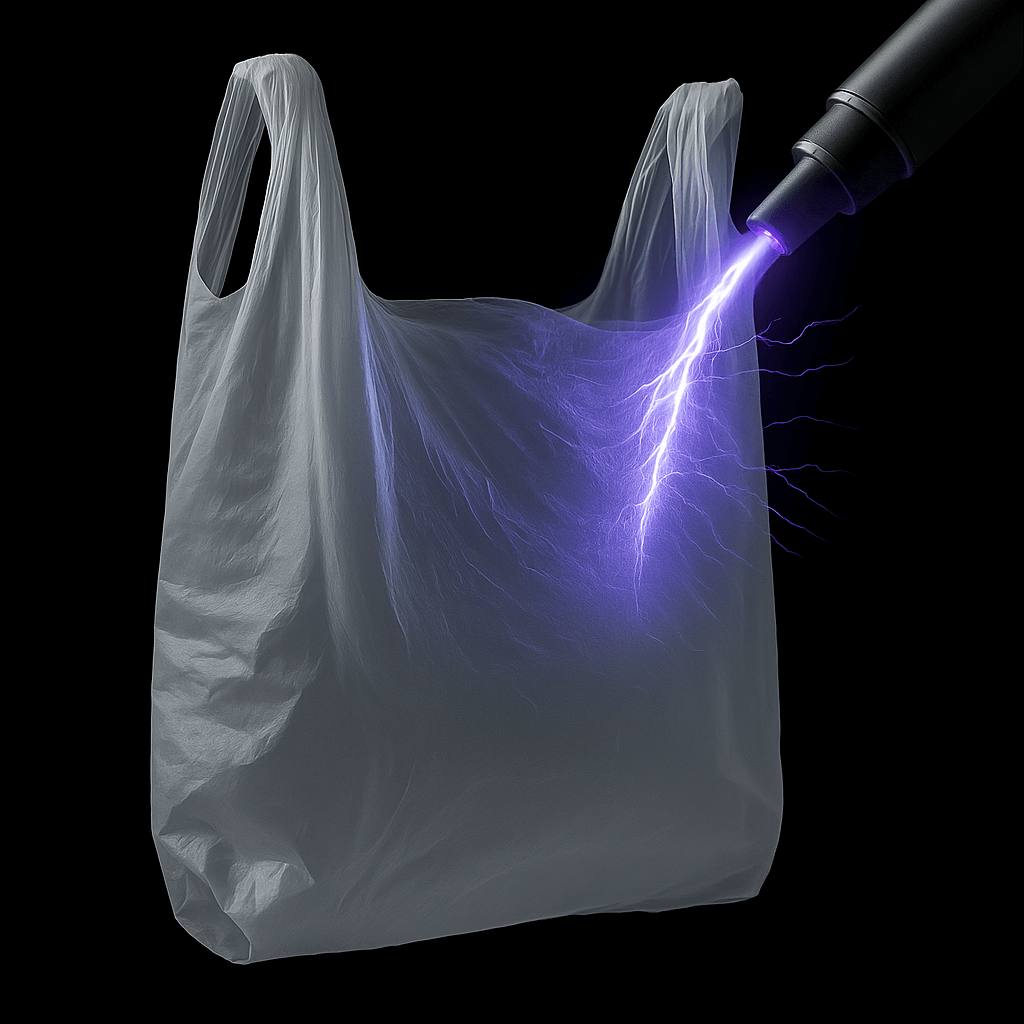
Plastic packaging is pre-treated with plasma to make it printable. Medical packaging and even food are biologically decontaminated with cold plasma.
The potential of plasma: Future technology from Greifswald
Plasma research is a dynamic and forward-looking field.
- Plasma medicine: Cold plasmas can kill germs and accelerate wound healing. Plasma therapy devices developed at the INP are already being used successfully to treat chronic wounds.
- Environmental technology: Plasma can be used to purify water and air.
- Sustainability: Plasma technology offers solutions for more sustainable agriculture and the energy transition.
- New materials: Plasma processes can be used to produce specific coatings and nanomaterials, e.g. for improved electrolysers.
The Leibniz Institute for Plasma Science and Technology (INP) in Greifswald is the largest non-university plasma research institute in Europe. We develop new plasma sources and processes to solve the challenges of tomorrow.
Also in Greifswald, the Max Planck Institute for Plasma Physics (IPP) is dedicated to nuclear fusion: the Wendelstein 7-X stellarator experiment is researching how hot plasma can be magnetically confined to generate clean energy through nuclear fusion – similar to what happens inside the sun.
Conclusion: Plasma is a fascinating phenomenon – omnipresent in nature and technology. From the glowing northern lights in the sky to medical applications for wound healing, plasma encounters us in a wide variety of forms. Plasma research at the INP not only provides exciting insights into a unique state of matter, but also tangible innovations for medicine, the environment and technology.