- Research project enters second round -
Good news from Mecklenburg-Western Pomerania:
The innovative PHYSICS FOR FOOD project, which focuses on more sustainable agriculture, is entering its next phase. The Neubrandenburg University of Applied Sciences, the Leibniz Institute for Plasma Science and Technology (INP) in Greifswald and around 20 regional partners from industry, agriculture and science have been given the green light to continue their research. As part of the 'WIR! – Change through Innovation in the Region' initiative, they will receive further funding from the Federal Ministry of Education and Research.
The project results achieved so far, which deal with questions of physics rather than chemistry in agriculture and food production, have convinced the jury of the Federal Ministry. By the end of 2025, a further six million euros will be available for the project, which has a total budget of more than 13 million euros, to focus in particular on the technologies to be developed and their implementation.
The federal government's statement reads:
"The use of innovative physical high technology in the interests of sustainable agriculture (especially to avoid chemicals) is socially, economically and ecologically relevant and of particular importance for a region characterised by large-scale conventional agriculture. The strongly technology-driven alliance brings together all players along the value chain and impresses with its professional organisation (...)."
This success story from the north-east is now continuing. Another project is being launched in this phase: vertical farming. Innovative technologies are being used in a new greenhouse concept – all with sustainability and environmental protection in mind.
PHYSICS FOR FOOD project manager Leif-Alexander Garbe, professor at the Neubrandenburg University of Applied Sciences and one of the project spokespersons, is optimistic about the second funding phase: "The project is pointing the way forward for agriculture and food processing companies. It offers innovative alternatives that will enable us to increasingly dispense with the use of chemicals in food production. In doing so, it is making a decisive contribution to a world that is aware of its responsibility to protect the environment."
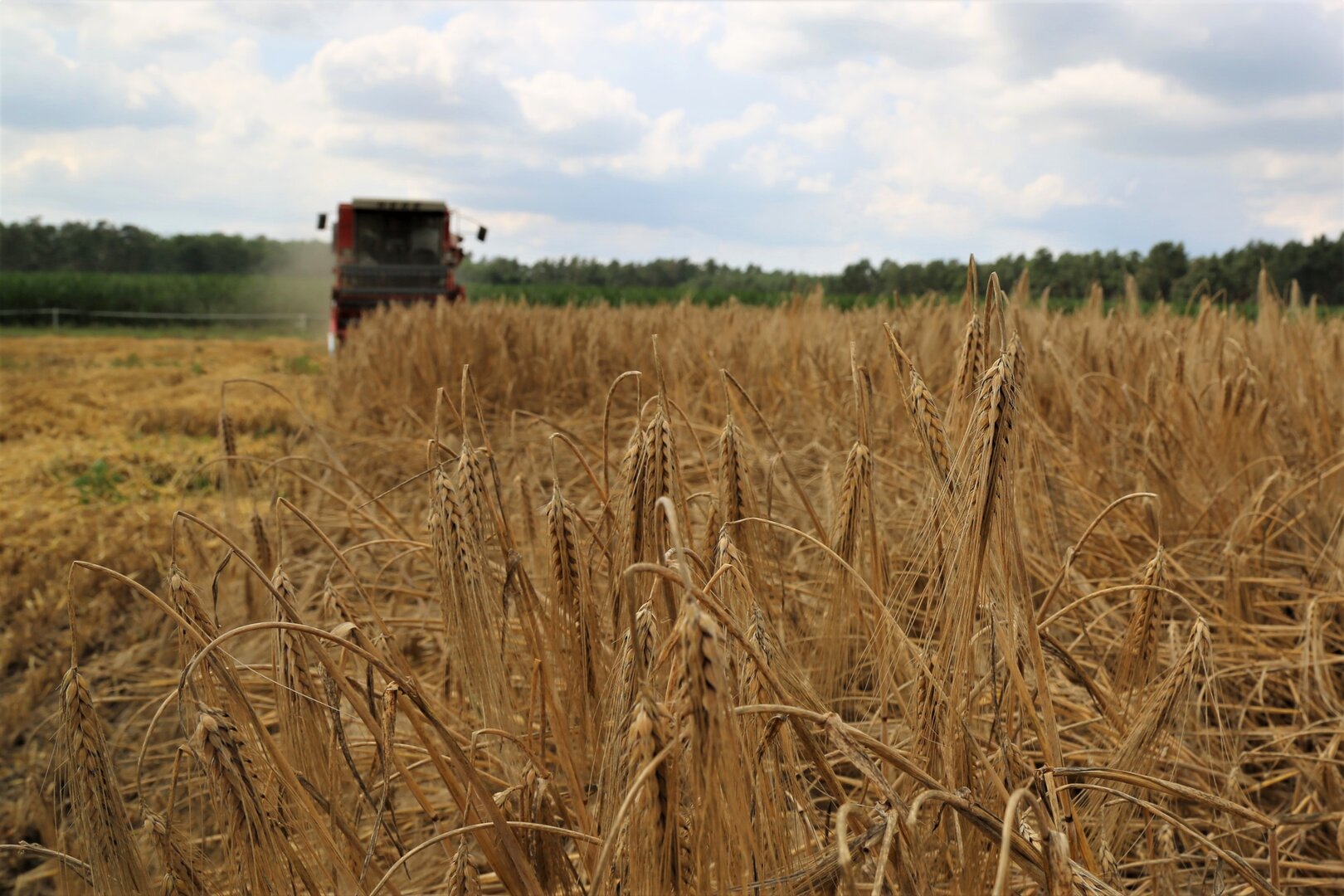
Over the next few years, a team of around 90 researchers and representatives from industry and business will work on developing practical technology that farmers can use in their work. The newly developed methods aim to strengthen plants against harmful influences such as heat or flooding, reduce the use of chemical pesticides and purify water from food production. Research is also being conducted into new methods for producing vegan food.
About PHYSICS FOR FOOD
The Neubrandenburg University of Applied Sciences, the Leibniz Institute for Plasma Science and Technology (INP) and representatives from industry launched the project 'PHYSICS FOR FOOD – A REGION THINKS AHEAD!' in 2018. Since then, the alliance has been working with numerous other partners to develop new physical technologies for agriculture and food processing. These technologies use atmospheric pressure plasma, pulsed electric fields and UV light. They aim to reduce the use of chemical agents in seed protection and strengthen plants against the effects of climate change.
PHYSICS FOR FOOD is also working on new processes to optimise agricultural raw materials and reduce pollutants in food production. The project ensures that the technologies are ready for use in business and industry and that jobs are secured in the coastal hinterland of Mecklenburg-Western Pomerania. It is funded by the Federal Ministry of Education and Research as part of the 'WIR! – Change through Innovation in the Region' initiative (funding code 03WIR2803).