Leibniz Institute for Plasma Science and Technology and the Dermatology Clinic at Rostock University Medical Centre are investigating innovative therapies for skin cancer – with funding from the State Excellence Research Programme.
Skin cancer is by far the most common type of tumour. Studies indicate that there are over 200,000 new cases in Germany every year. One in ten of those affected is diagnosed with malignant melanoma, a form of black skin cancer that quickly metastasises throughout the body and can lead to death within a few months. To improve treatment, an alliance led by the Dermatology Clinic at Rostock University Medical Centre is researching new innovative forms of therapy. The aim is to use cold plasmas, which are being researched at the Leibniz Institute for Plasma Science and Technology (INP) in Greifswald, and so-called small molecules – substances that specifically interfere with the metabolism of tumour cells and prevent them from growing – . Other partners include the universities in Rostock and Greifswald, the University Medical Centre Greifswald and the Alfred Krupp Wissenschaftskolleg Greifswald. The project will officially start in October.
The ONKOTHER-H project, which is scheduled to run for three and a half years, is being funded with a total of two million euros as part of the state's second Excellence Research Programme. The funds come from the European Social Fund and are intended to expand cutting-edge research in the region. The funding will be used in particular to support young scientists. "The aim is to establish an interdisciplinary development platform for new cancer therapies," says Prof. Dr. Steffen Emmert, Director of the Rostock Dermatology Clinic. In the field of dermatology, cold atmospheric pressure plasma primarily promotes wound healing and accelerates regenerative processes. "The healthy tissue is largely spared in the process," says Emmert.
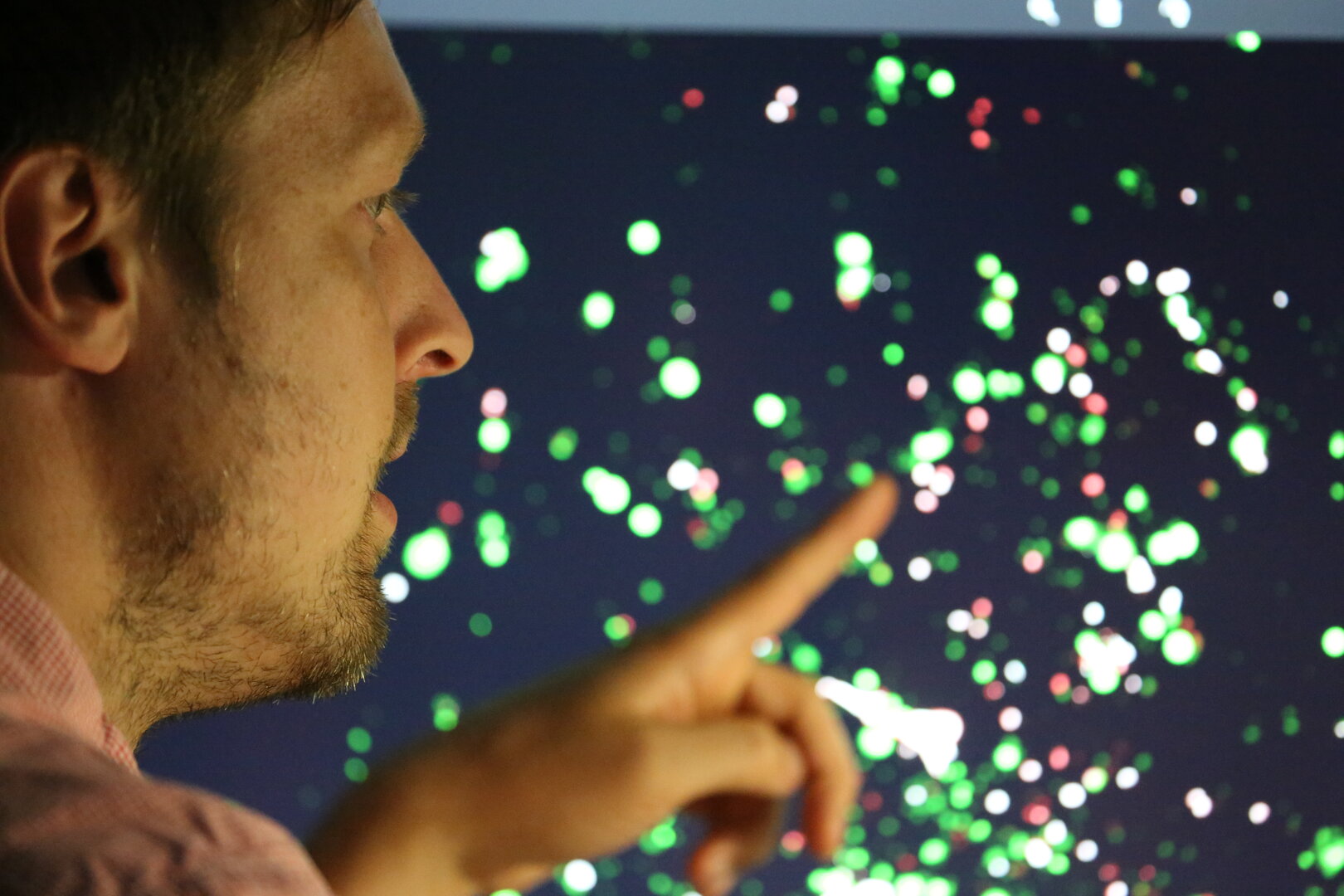
In Greifswald, promising results have already been achieved in the inactivation of tumour cells using plasma. "Now it's a matter of optimising this process and opening up another field of application," says Dr. Sander Bekeschus, head of the "Plasma Redox Effects" research group at the Centre for Innovation Competence (ZIK) plasmatis, an INP facility. The cooperation with the University of Rostock offers the opportunity to test a potentially effective alternative in the fight against cancer that complements established treatment methods such as chemotherapy. "Malignant, metastatic melanoma is one of the most aggressive forms of cancer. If we achieve a breakthrough in treatment here, our method could also be effective against other types of malignant tumours," emphasises immunologist Bekeschus.