WIR! - Physics for Food
Physics for Environment - Validation of physical water treatment methods for the degradation of pesticides and microorganisms in process and waste water of agricultural cultivation and processing methods
Duration from 1.3.2021 - 31.03.2023, funded by the Federal Ministry of Education and Research (BMBF) under the funding code (FKZ) 03WIR2809A.
The use of agricultural chemicals (herbicides, pesticides) is a prerequisite for the high-yield cultivation of crops and thus a comprehensive supply of affordable food. However, the associated impact on the environment and possible risks for consumers are viewed with concern. As part of the Federal Ministry of Education and Research's "Change through innovation in the region" initiative, the "Physics for Food" project has therefore set itself the task of investigating and establishing possible alternatives to chemical processes using physical methods. In various lead projects, possibilities for seed treatment, for the promotion of plant growth and health, as well as in the processing of crops and fodder plants are being investigated. (Further information on the overall project and the individual lead projects can be found here: physicsforfood.org
The lead project "Physics for Environment" directly addresses the objectives of the overall project to create the basis for more residue-free and environmentally friendly agriculture and agricultural production. The water required for many work steps and production processes should either be discharged into the environment almost residue-free or returned to the water cycle. Effective disinfection is also crucial for successful water recovery. Together with the INP, Harbauer GmbH, Berlin, and Power Recycling Energyservice GmbH, Neubrandenburg, are building a test facility at the Cosun Beet Company & Co KG site in Anklam to validate various physical water treatment methods. In addition to these funded partners, other end users (ABiTEP GmbH, Berlin, Braumanufaktur Ludwigslust, WF Milch GmbH, Freyenstein) are participating by granting access to their production facilities and actively supporting investigations into their specific fields of application. The experience gained will be used to explicitly derive technologies that respond to the needs of agricultural businesses, e.g. the treatment of spray agent residues or field run-off water.
Contact
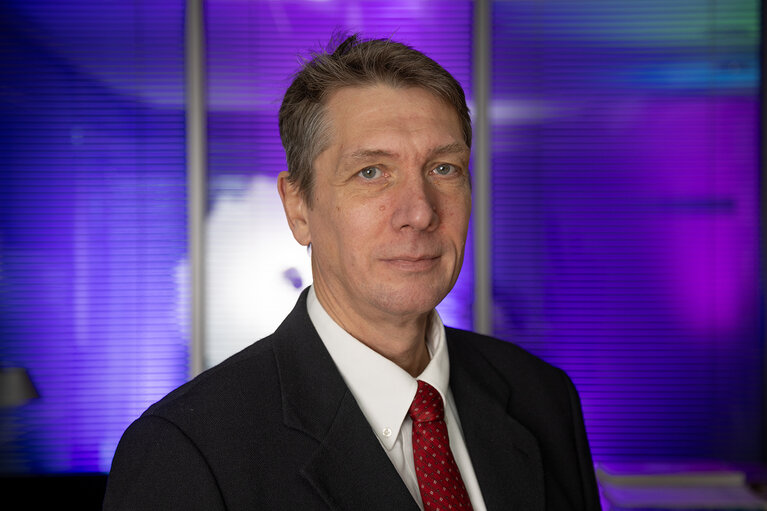
Prof. Dr. Jürgen Kolb
Programme Manager
Agriculture, Bioeconomy, Environment
Phone: +49 3834 - 554 3950